

- Volkswagen has discontinued the 6-speed manual transmission for the 1.5 TSI engine in Virtus sedan and Taigun SUV, shifting to exclusive 7-speed DSG automatic variants to streamline operations and focus on higher-efficiency models.
- The 1.5 TSI engine, delivering 150 PS and 250 Nm, remains unchanged, with prices starting at Rs 18.80 lakh for Virtus GT Plus Chrome DCT and Rs 18.95 lakh for Taigun equivalent, while 1.0 TSI variants retain manual options from Rs 10.49 lakh.
- This move aligns with Skoda’s earlier discontinuation for Slavia and Kushaq, potentially paving the way for upcoming facelifts with Level 2 ADAS, as Virtus leads sedan sales and Taigun competes in the compact SUV segment.
Volkswagen has quietly discontinued the manual transmission variants of its popular 1.5 TSI engine for the Virtus sedan and Taigun SUV in India. This change, effective January 2026, means buyers seeking the powerful turbo petrol setup will now only have the 7-speed DSG automatic option.
The decision follows a similar strategy by sister brand Skoda, which axed manual 1.5 TSI options for Slavia and Kushaq back in September 2024. It aims to simplify the lineup and boost efficiency amid evolving market demands.
With no official announcement, the update was spotted on Volkswagen’s website, highlighting a focus on automatic transmissions for premium performance variants.
Note:- Read My Second Blog Vehicle Fitness Certificate Related
Why Volkswagen Discontinued 1.5 TSI Manual Variants
The manual versions were favored for their engaging drive and lower entry price, but they likely appealed to a niche audience with limited sales volume. Streamlining to DCT could reduce production complexity and inventory costs.
This shift emphasizes Volkswagen’s push towards automatics, which dominate urban driving preferences in India. It also prepares for facelifted models expected soon with enhancements like ADAS.
Buyers missing manuals can opt for the 1.0 TSI engine, which retains 6-speed manual and automatic choices for more affordable daily use.
2026 Volkswagen Virtus and Taigun 1.5 TSI Updated Prices
The Virtus 1.5 TSI manual previously started at Rs 17.09 lakh, offering an accessible performance sedan. Now, the lineup begins with the GT Plus Chrome DCT at Rs 18.80 lakh.
The GT Plus Sport DCT variant is priced at Rs 19 lakh, featuring sportier accents and premium interiors. All prices are ex-showroom.
These hikes reflect the premium on automatic tech, but Virtus remains competitive in the C-segment sedan market.
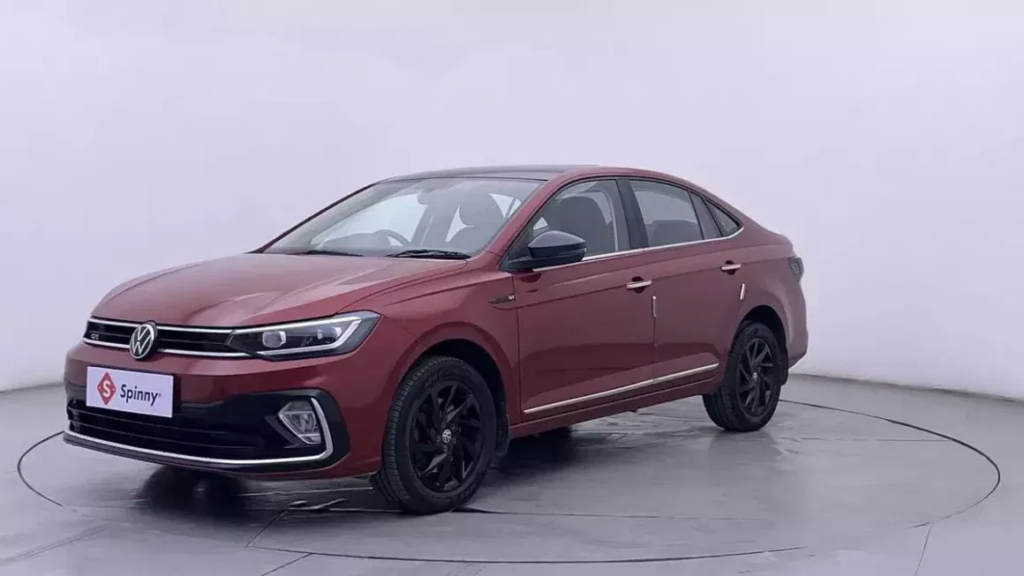
| Variant | New Price (Rs, ex-showroom) | Transmission | Key Features |
| Virtus GT Plus Chrome | 18,80,000 | 7-speed DSG | Leatherette seats, sunroof, digital cockpit |
| Virtus GT Plus Sport | 19,00,000 | 7-speed DSG | Sporty graphics, red accents, ventilated seats |
Updated Prices for Volkswagen Taigun 1.5 TSI Variants
Similarly, Taigun’s 1.5 TSI manual started at Rs 17.04 lakh before discontinuation. The GT Plus Chrome DCT now leads at Rs 18.95 lakh.
The GT Plus Sport DCT comes in at Rs 19.19 lakh, with bold styling cues tailored for SUV enthusiasts. Prices align with segment rivals.
This positions Taigun as a premium automatic-only option in the turbo petrol space, targeting buyers who prioritize convenience over manual engagement.
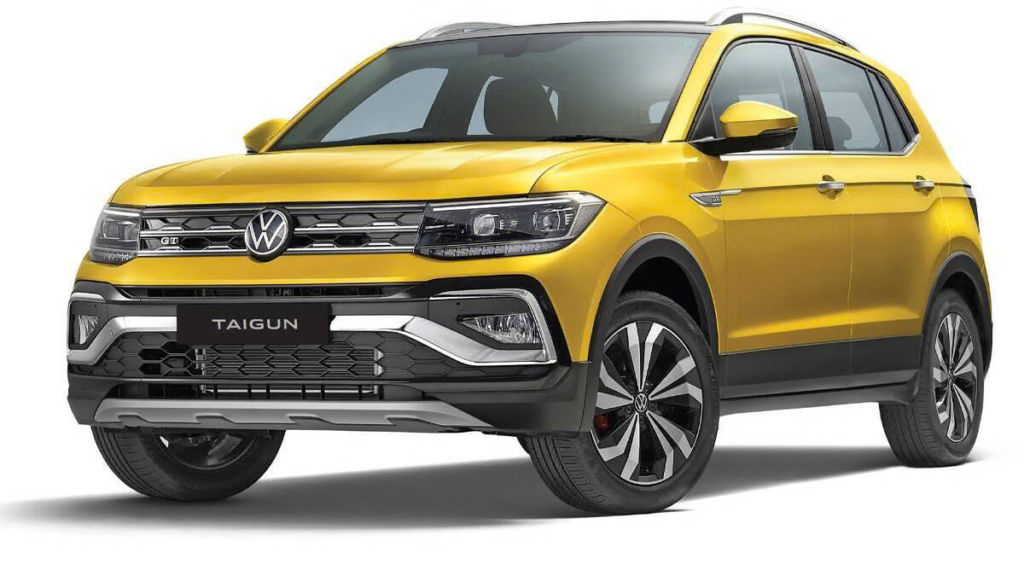
| Variant | New Price (Rs, ex-showroom) | Transmission | Key Features |
| Taigun GT Plus Chrome | 18,95,000 | 7-speed DSG | Panoramic sunroof, wireless charging, 6 airbags |
| Taigun GT Plus Sport | 19,19,000 | 7-speed DSG | Blacked-out elements, ambient lighting, ADAS-ready |
Engine Specs: What Stays the Same in 1.5 TSI
The 1.5-litre turbo petrol engine continues unchanged, producing 150 PS of power and 250 Nm of torque. It’s paired exclusively with the smooth-shifting 7-speed DSG for quick acceleration and efficient highway cruising.
Fuel efficiency hovers around 18-19 kmpl, thanks to active cylinder technology that deactivates cylinders under light loads. This setup delivers a refined drive suitable for city and long-distance travel.
Compared to the discontinued manual, the DCT adds seamless gear changes, making it ideal for traffic-heavy Indian roads without sacrificing performance.
Alternatives: 1.0 TSI Variants with Manual Options
For those insistent on a manual gearbox, Volkswagen retains it in the 1.0 TSI lineup for both Virtus and Taigun. This engine outputs 115 PS and 178 Nm, with choices of 6-speed manual or automatic.
Starting prices are more wallet-friendly: Rs 10.49 lakh for Virtus and Rs 10.58 lakh for Taigun. These variants offer a balanced mix of efficiency and fun for everyday commuting.
They include features like touchscreen infotainment, connected tech, and safety aids, ensuring value without the premium turbo punch.
How Virtus Compares to Rivals After Discontinuation
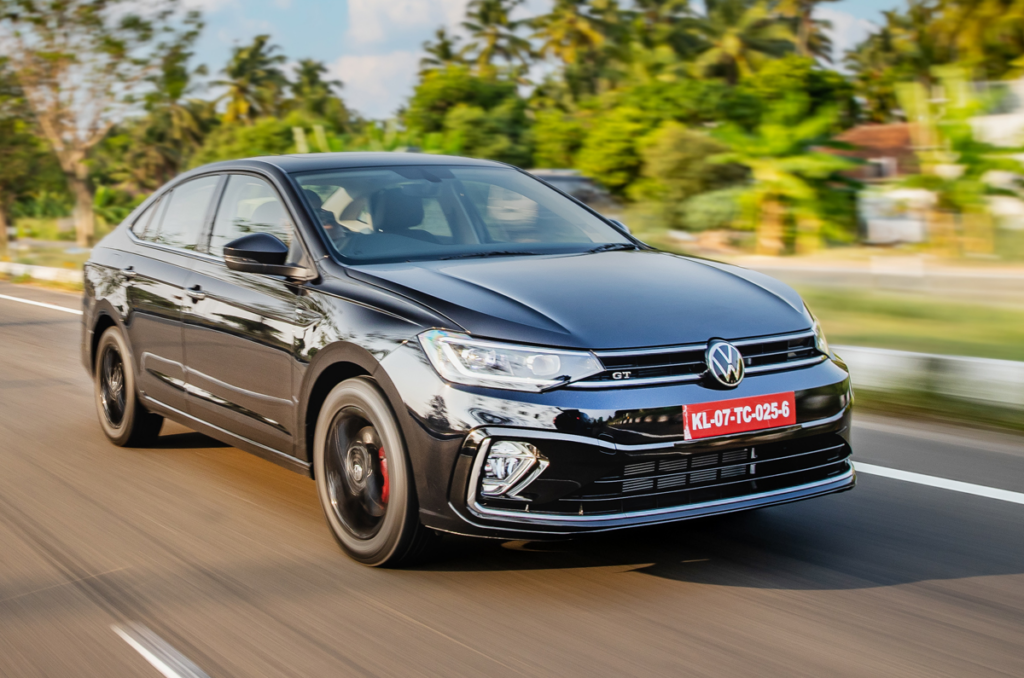
Virtus leads the compact sedan segment, outselling Skoda Slavia, Hyundai Verna, and Honda City in recent months. With manuals gone, Hyundai Verna becomes the sole rival offering a 6-speed manual with its 1.5 turbo (160 PS, 253 Nm).
Verna also has a 7-speed DCT, starting around Rs 15 lakh for turbo variants, potentially drawing manual enthusiasts away. However, Virtus excels in build quality and European handling.
Honda City sticks to naturally aspirated engines with manuals, but lacks the turbo thrill. Virtus’s sales edge comes from its feature-rich interiors and safety ratings.
Taigun’s Position in the Compact SUV Market
In the bustling 4.2-4.4m SUV space, Taigun faces Hyundai Creta, Kia Seltos, Maruti Grand Vitara, and Toyota Hyryder. Creta’s 1.5 turbo pairs with 7-DCT, similar to Taigun’s new setup.
Seltos offers 6iMT and 7DCT with its 1.5 turbo, giving it a manual edge that Taigun now lacks. Grand Vitara and Hyryder skip turbo petrols entirely, focusing on hybrids.
Taigun’s discontinuation won’t hurt much, given strong demand for automatics. Its 5-star Global NCAP rating and premium cabin keep it appealing.
Upcoming Facelifts: What to Expect for Virtus and Taigun
Facelifted versions of Virtus and Taigun are on the horizon, likely debuting mid-2026. Expect refreshed exteriors with new grilles, LED lights, and alloy designs for a sharper look.
Interiors could gain Level 2 ADAS features like adaptive cruise control and lane assist, aligning with global Volkswagen standards. More connected tech and sustainable materials might feature too.
These updates could boost sales further, especially as India pushes for safer, tech-laden vehicles. Spy shots of Skoda counterparts hint at similar enhancements for the VW duo.
Impact on Buyers and Volkswagen’s Strategy
This change targets urban buyers preferring automatics, potentially increasing average selling prices and margins for Volkswagen. It simplifies dealer inventory and focuses on high-demand variants.
Enthusiasts might miss the manual’s control, but the DCT’s paddle shifters offer some engagement. Overall, it reflects a broader industry trend towards automatics in premium segments.
With EV pushes on the rise, Volkswagen’s ICE lineup like Virtus and Taigun will continue driving volumes until electric transitions accelerate.


Leave a comment